Registration No: 359804/81/82
Email: [email protected]
| No of people | Price per person |
|---|---|
| 1 - 1 | $1,700 |
| 2 - 4 | $1,600 |
| 5 - 9 | $1,550 |
| 10 - 14 | $1,500 |
| 15 - 20 | $1,450 |
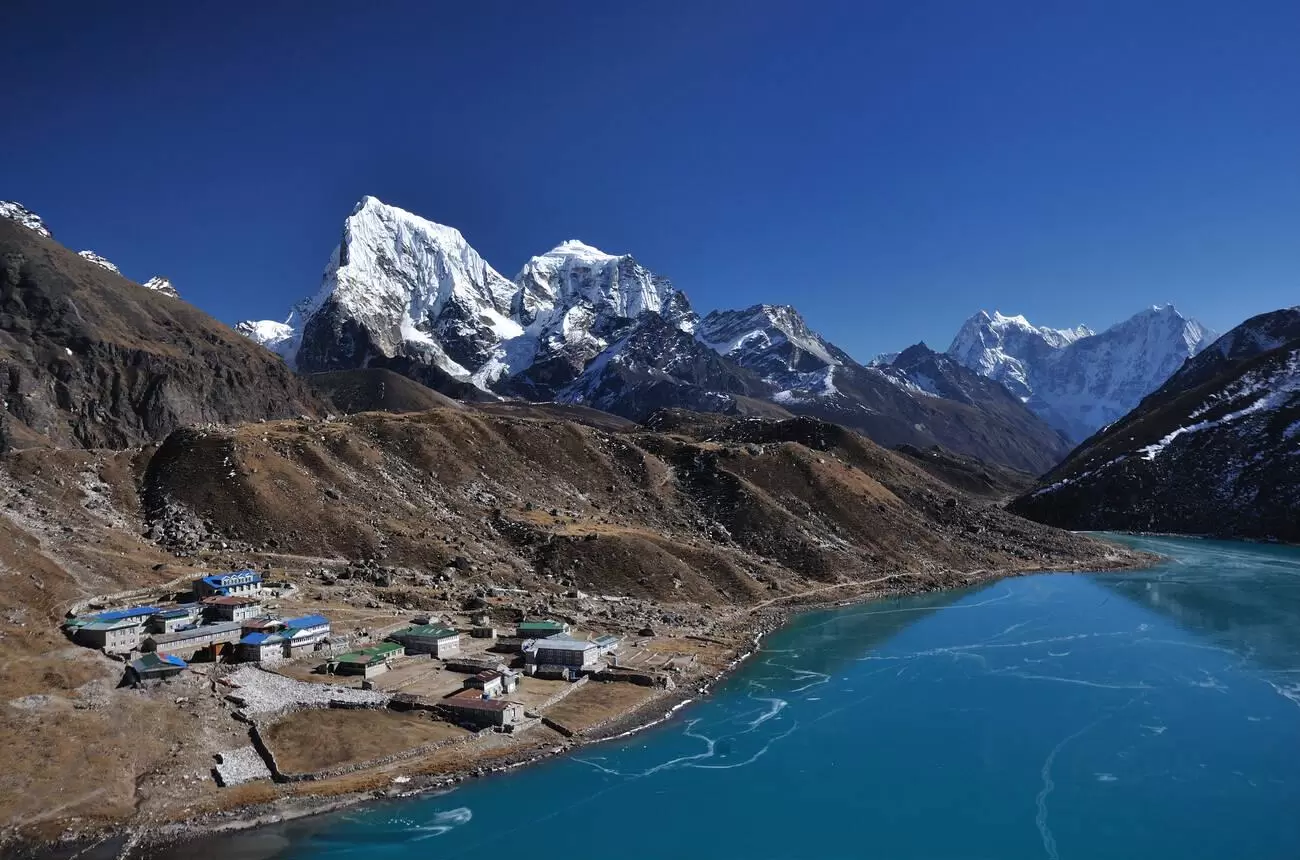
Mount Everest, the tallest peak on Earth, stands at an awe-inspiring 8,848.86 meters (29,031.7 feet) above sea level. Known as "Sagarmatha" in Nepali and "Chomolungma" in Tibetan, Everest attracts trekkers, mountaineers, and adventurers from around the globe. Its breathtaking views, rugged terrain, and the challenge it presents have made it the ultimate goal for high-altitude enthusiasts. The Everest Base Camp Trek, also known as EBC Trek, offers trekkers a chance to experience the beauty of Mount Everest without the danger of summiting the peak. As you explore on the trek to Everest Base Camp, the towering heights of Mount Everest will be visible from various vantage points along the Everest Base Camp trekking route in Nepal, creating an unforgettable experience. Whether you're planning an Everest Trek in Nepal or taking an Everest heli tour for a quick aerial view of Everest, the grandeur of this colossal mountain never ceases to amaze.
While Mount Everest’s summit is a challenging feat that requires professional mountaineering skills, the surrounding landscapes and villages make it accessible to trekkers through routes like the Everest Panorama Trek, Everest Base Camp View Trek, or even the Everest Circuit Trek. These alternative treks offer the same mesmerizing views of Everest and nearby peaks like Lhotse, Nuptse, and Makalu. For those seeking a shorter journey, the Everest View Trek offers a more relaxed trekking experience that focuses on the spectacular views of Mount Everest and the Sherpa culture without venturing all the way to the Base Camp. Regardless of which Everest Trek you choose, the mountain's powerful presence remains central to every journey.
For those planning an Everest trek for 2025, it's crucial to remember that trekking in the Everest region is not just about reaching the peak—it’s about connecting with nature and embracing the unique culture of the Sherpas who call this region home. The incredible stories, religious sites, and breathtaking landscapes make the trek to Everest Base Camp or a similar trek like Everest Base Camp Trek from Kathmandu a spiritual journey that transcends the physical challenges.
Everest Base Camp
Everest Base Camp (EBC) is a significant landmark on the journey to Mount Everest, located at an altitude of 5,364 meters (17,598 feet). Reaching the Base Camp is a major accomplishment and offers trekkers unparalleled views of Mount Everest and its neighboring peaks. The Everest Base Camp Trek is one of the most sought-after trekking experiences globally, as it allows trekkers to get close to the world’s highest peak without the risks and challenges of climbing it. The trek to Everest Base Camp involves several days of steady ascent through Sherpa villages, dense forests, and alpine meadows. Along the way, trekkers get to experience the rich culture and hospitality of the Sherpa people, with opportunities to visit monasteries like Tengboche Monastery, one of the most iconic sites on the EBC trekking route in Nepal.
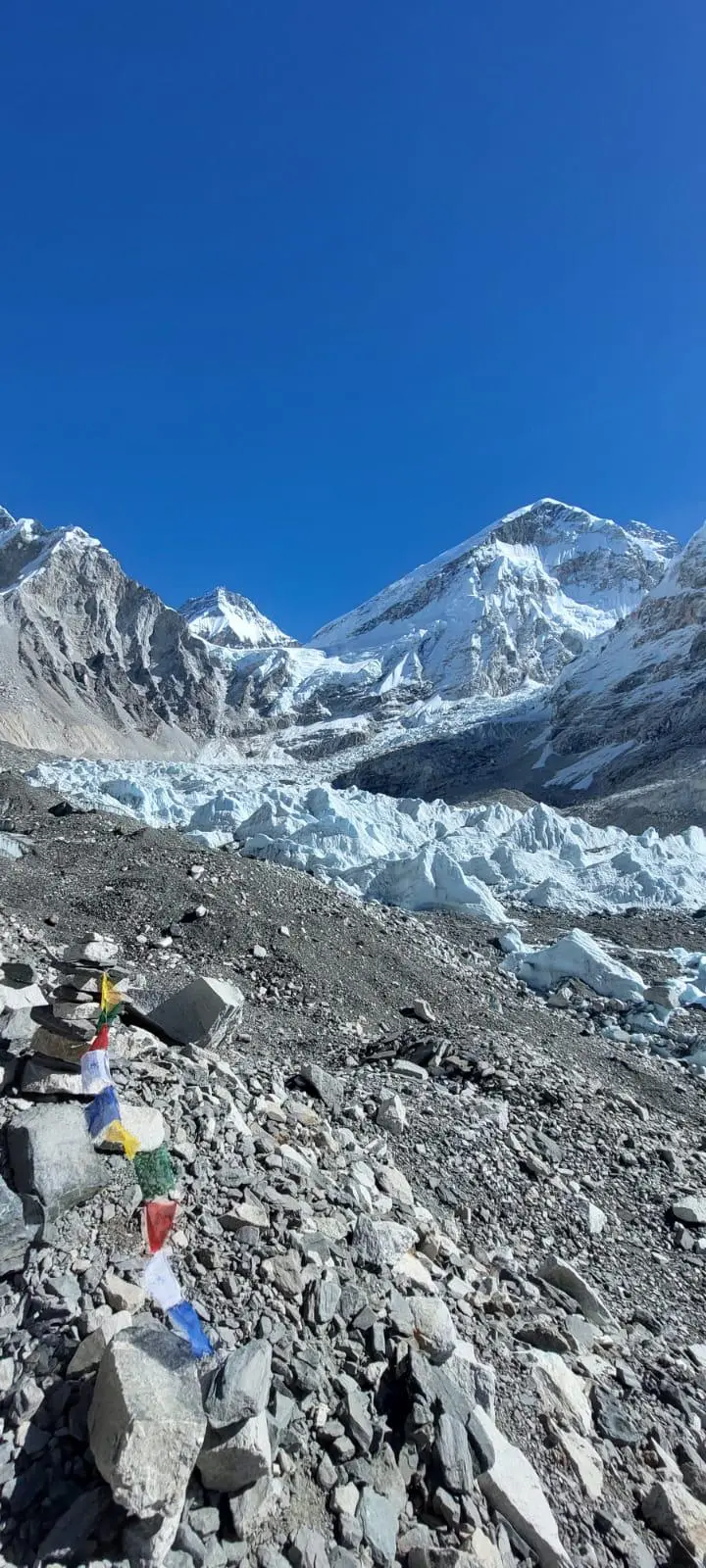
The Everest Base Camp Trekking Route takes trekkers through picturesque settlements like Namche Bazaar, Dingboche, and Lobuche, where the Everest trek becomes an immersive experience, both culturally and physically. The ultimate destination, Everest Base Camp, is a high-altitude plateau at the foot of the Khumbu Icefall. From here, trekkers can catch glimpses of mountaineers preparing for their final push to the summit of Mount Everest, making it an inspiring location for adventure seekers. The journey to Everest Base Camp is not just about reaching the destination but about experiencing the incredible natural beauty along the way, such as the stunning views of Mount Everest, Lhotse, and Makalu, and the alpine wilderness that thrives in these extreme conditions.
For those looking to explore Everest Base Camp in 2025, trekking to the Base Camp can be a life-changing journey, filled with challenges, rewards, and the chance to witness one of the most stunning views on Earth. Alongside Everest Base Camp, other treks like the Everest Panorama Trek and the EBC View Trek offer spectacular vistas of the region. These treks are designed to cater to trekkers who may not want to trek all the way to the Base Camp but still wish to experience the beauty of Everest and its surroundings. Everest Base Camp Trek from Kathmandu remains the most popular route for those venturing into this iconic destination.
Everest Base Camp Trek
The Everest Base Camp Trek is one of the most iconic and challenging trekking routes in the world. It is a journey that takes trekkers through the heart of the Khumbu region of Nepal, providing access to some of the most stunning views of Mount Everest, as well as the opportunity to explore Sherpa culture and ancient monasteries. The EBC trek typically begins with a thrilling flight from Kathmandu to Lukla, followed by a gradual ascent through Sherpa villages and lush forests. The trekking route takes trekkers through Namche Bazaar, the bustling hub of the Khumbu region, which provides the perfect place to acclimatize and gather supplies for the journey ahead. As trekkers climb higher, they pass through the stunning Tengboche Monastery, and ultimately reach Everest Base Camp itself, offering an incredible opportunity to gaze upon the towering peak of Mount Everest.
The Everest Base Camp Trekking cost and itinerary depend on several factors, including the duration of the trek, the type of accommodation, and whether you choose to extend your trek with side trips, such as the Everest Panorama Trek or an Everest Heli Tour. The EBC trek usually takes around 12 to 16 days, depending on the pace of the group and the level of acclimatization needed to safely reach the Base Camp. The Everest Base Camp Trek permit is required to enter Sagarmatha National Park and is a crucial part of the trekking preparations. An Everest Base Camp Trek route map will guide you through the various stages of the journey, ensuring that trekkers remain on track to reach the final destination.
While the Everest Base Camp Trek can be challenging due to the altitude and terrain, the reward of reaching the Base Camp and experiencing the majestic views of Everest makes it all worthwhile. For those planning an Everest trek in Nepal in 2025, it’s important to be well-prepared physically and mentally, as the high-altitude conditions can be demanding. However, with the support of experienced guides and the camaraderie of fellow trekkers, the journey to Everest Base Camp is an unforgettable adventure. Options like the Everest Base Camp Trek 15 days itinerary ensure that trekkers can take their time to acclimatize and enjoy the spectacular scenery along the way.
Best Season for Everest Base Camp Trek
The best time for an Everest Base Camp Trek is during the spring (March to May) and autumn (September to November) seasons, when the weather is clear, and the temperatures are more manageable for trekking. Spring is a particularly popular time for Everest trekking as it brings mild temperatures, clear skies, and a stunning display of rhododendron flowers blooming along the trekking route. Autumn is another peak season due to its dry and stable weather, which provides the best possible visibility of the Himalayas, including Mount Everest and its surrounding peaks. These seasons also allow trekkers to avoid the extreme cold and snow of winter or the monsoon rains of summer, which can make the trekking conditions less favorable.
For those planning an Everest trek for 2025, it’s advisable to choose one of these prime trekking seasons to ensure the best possible conditions. During the spring and autumn months, the days are generally sunny and clear, with moderate temperatures, although it can get chilly at night, especially at higher altitudes like Everest Base Camp. These ideal conditions also help reduce the risks of altitude sickness, which is one of the most significant challenges when trekking to Everest Base Camp. While winter (December to February) can offer fewer crowds and a serene atmosphere, the cold temperatures and snow can make the trail more difficult. Summer (June to August) brings monsoon rains, which often result in slippery paths and less visibility, making it less ideal for trekking.
Whether you are trekking to Everest Base Camp for the first time or considering an Everest Base Camp View Trek or Everest Panorama Trek, the best season for the journey ensures optimal conditions for both your safety and enjoyment. The weather during these seasons allows trekkers to fully appreciate the stunning beauty of the region, including spectacular views of Mount Everest and the surrounding peaks, as well as the diverse landscapes that make the Everest trek so unique.
Everest Base Camp Trekking Permits
To trek to Everest Base Camp, certain permits are required to ensure trekkers' safety, support the conservation of the region, and regulate tourism in the Everest area. The most important permits for the Everest Base Camp Trek are the Sagarmatha National Park Permit and the TIMS (Trekkers' Information Management System) Card. The Sagarmatha National Park Permit allows trekkers to enter the protected areas surrounding Everest, and this permit is available in Kathmandu or at the entrance to the national park in Monjo. It’s important to check current regulations as these permits may be subject to changes based on the government’s policy.
The TIMS Card is also mandatory for trekkers, ensuring that all trekkers are registered for their safety. The TIMS Card helps authorities monitor trekking activities and respond in case of emergencies. The cost of the permits is typically included in the Everest Base Camp Trek cost, though it can vary depending on the trekking agency. Additionally, the Everest Base Camp Trek permit ensures trekkers can navigate the Everest Base Camp trekking route in Nepal legally, providing access to important areas and cultural landmarks such as Namche Bazaar, Tengboche, and Gorak Shep.
For those looking to explore Everest in 2025, proper permits and documentation are essential to avoid complications. As you plan your Everest Base Camp Trek, it’s important to factor in the cost of permits and the time required for obtaining them. Some trekking agencies provide services that include permit arrangements, so trekkers don’t have to worry about the paperwork and can focus on preparing for the adventure. A map of the Everest Base Camp Trek route will also help you understand the geography of the area, making it easier to navigate and plan for your journey.
Food and Accommodation for Everest Base Camp Trek
Accommodation during the Everest Base Camp Trek consists of tea houses or lodges that offer basic but comfortable lodging, ideal for trekkers seeking rest after a long day of walking. These tea houses are scattered throughout the trekking route in Nepal, with more developed and comfortable accommodations found in areas like Namche Bazaar and Lukla. However, as you ascend higher in elevation, the lodgings become simpler, and rooms often come with basic amenities like shared bathrooms and common dining areas. Despite their simplicity, these tea houses are a great way to immerse yourself in Sherpa culture, providing a welcoming atmosphere, delicious meals, and a chance to interact with fellow trekkers.
Food during the trek is essential for maintaining energy levels and acclimatizing to the high altitude. The menus at tea houses offer a variety of options, from traditional Nepali dishes like dal bhat (lentil soup with rice) and momos (dumplings) to Western staples such as pasta, pizza, and soups. Many trekkers prefer lighter meals like soup and bread, especially at higher altitudes, to prevent digestive issues. The food is simple yet nourishing, designed to fuel the body for the physically demanding trek. The Everest Base Camp Trek 15 days itinerary allows trekkers to gradually adapt to the altitude while enjoying hearty meals that provide much-needed sustenance for the journey.
For those planning an Everest trek for 2025, it’s important to understand that the food and accommodation along the trail are designed to be basic but functional, with the focus being on safety and comfort. While you won’t find luxury hotels in the Everest region, the tea houses provide the perfect opportunity to experience the local way of life and savor the unique flavors of the Himalayas. Whether you're on an Everest Base Camp View Trek or tackling the full Everest Base Camp Trekking route, the warmth and hospitality of the tea houses and the nourishment provided along the way will make your trek even more memorable.
Networking and Communication for Everest Base Camp Trek
While trekking to Everest Base Camp, staying connected can be a challenge due to the remote nature of the region. However, modern technology has made it possible to maintain some level of communication. Along the trekking route in Nepal, most tea houses offer Wi-Fi for a fee, although the speed can be slow due to the distance from major cities and the mountainous terrain. For trekkers looking to stay connected with friends or family back home, it’s important to keep in mind that internet access will be limited, and you may need to rely on it for essential communications rather than for entertainment or browsing.
In case of emergency, satellite phones are available in select tea houses or through your guide. These phones are reliable for communication, especially when there are no other options, and they can be rented for the duration of your trek. If you're planning an Everest Heli Tour or Everest Trek Explore, it's important to note that helicopter services can provide faster communication options and emergency evacuations, should the need arise. Many trekkers also opt to leave their phone at home or in Kathmandu to enjoy the digital detox and focus entirely on the trek experience.
For those exploring on the Everest Base Camp Trek in 2025, it’s important to have realistic expectations about connectivity. Although you may not be able to stream videos or make frequent calls, the opportunity to disconnect from the digital world and immerse yourself fully in the beauty and serenity of the Himalayas is a key part of the trekking experience. With the support of an experienced Everest Base Camp Trek expert, you can confidently navigate the Everest Base Camp Trek route map and enjoy the adventure of a lifetime.
Why Choose Us - Everest Base Camp Trek
Choosing the right agency or guide is crucial when exploring on an Everest Base Camp Trek, especially for first-time trekkers. As an Everest Base Camp Trek Expert, we offer a wealth of experience and local knowledge to ensure your trek is safe, enjoyable, and memorable. Our team of professional guides and porters is well-versed in the Everest Trekking routes, including the EBC Trek and Everest Panorama Trek, and is committed to providing excellent support throughout your journey. Whether you are trekking to Everest Base Camp for the first time or participating in an Everest Trek Explore or Everest Circuit Trek, our expert guides will make sure you are well-prepared, acclimatized, and informed. Our Everest Base Camp Trek 15 Days itinerary is carefully designed to maximize your experience while minimizing risks associated with altitude sickness. Additionally, we provide a comprehensive package that includes necessary permits, comfortable accommodation, and delicious meals, making your Everest trek experience as seamless as possible. With us, you'll not only enjoy the adventure but also appreciate the beauty of the Everest region from an experienced perspective, ensuring a once-in-a-lifetime experience.
Let Himalayan Escape Adventure guide you on this once-in-a-lifetime adventure, ensuring safety, comfort, and memories to cherish forever!
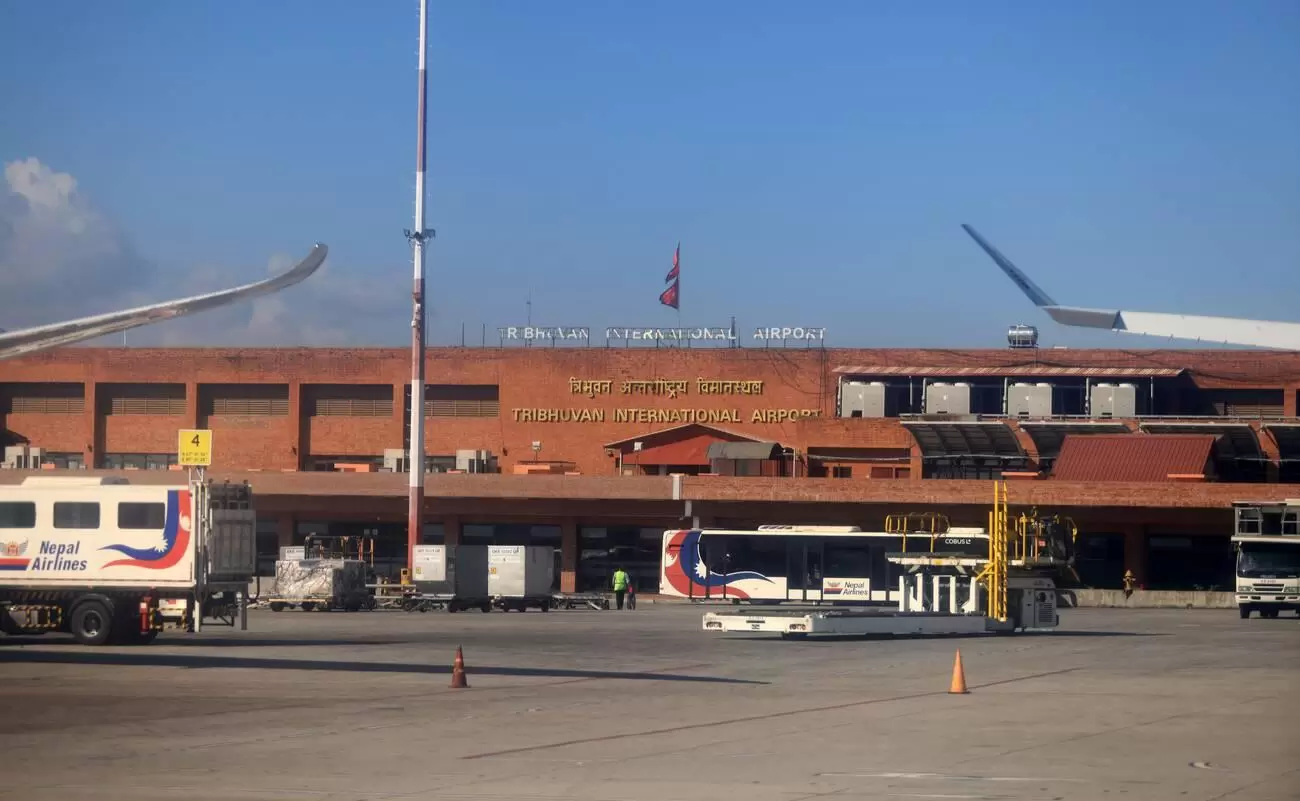
Upon your arrival in Kathmandu, you will be greeted by our representative at the airport and transferred to your hotel. This is your first opportunity to experience the vibrant capital of Nepal. After checking in and resting, you can explore the surrounding areas or simply relax in preparation for the adventure ahead. Depending on your arrival time, you might enjoy a leisurely evening at one of the Hotel.


Today, you'll explore on a sightseeing tour of Kathmandu, visiting key cultural landmarks such as Swayambhunath Stupa (Monkey Temple), Pashupatinath Temple, and Boudhanath Stupa. These UNESCO World Heritage Sites offer a glimpse into Nepal’s rich cultural heritage. In the afternoon, you’ll have a trek briefing, where your guide will provide detailed information about the Everest Base Camp trek. You’ll also have time to finalize any last-minute trekking gear.
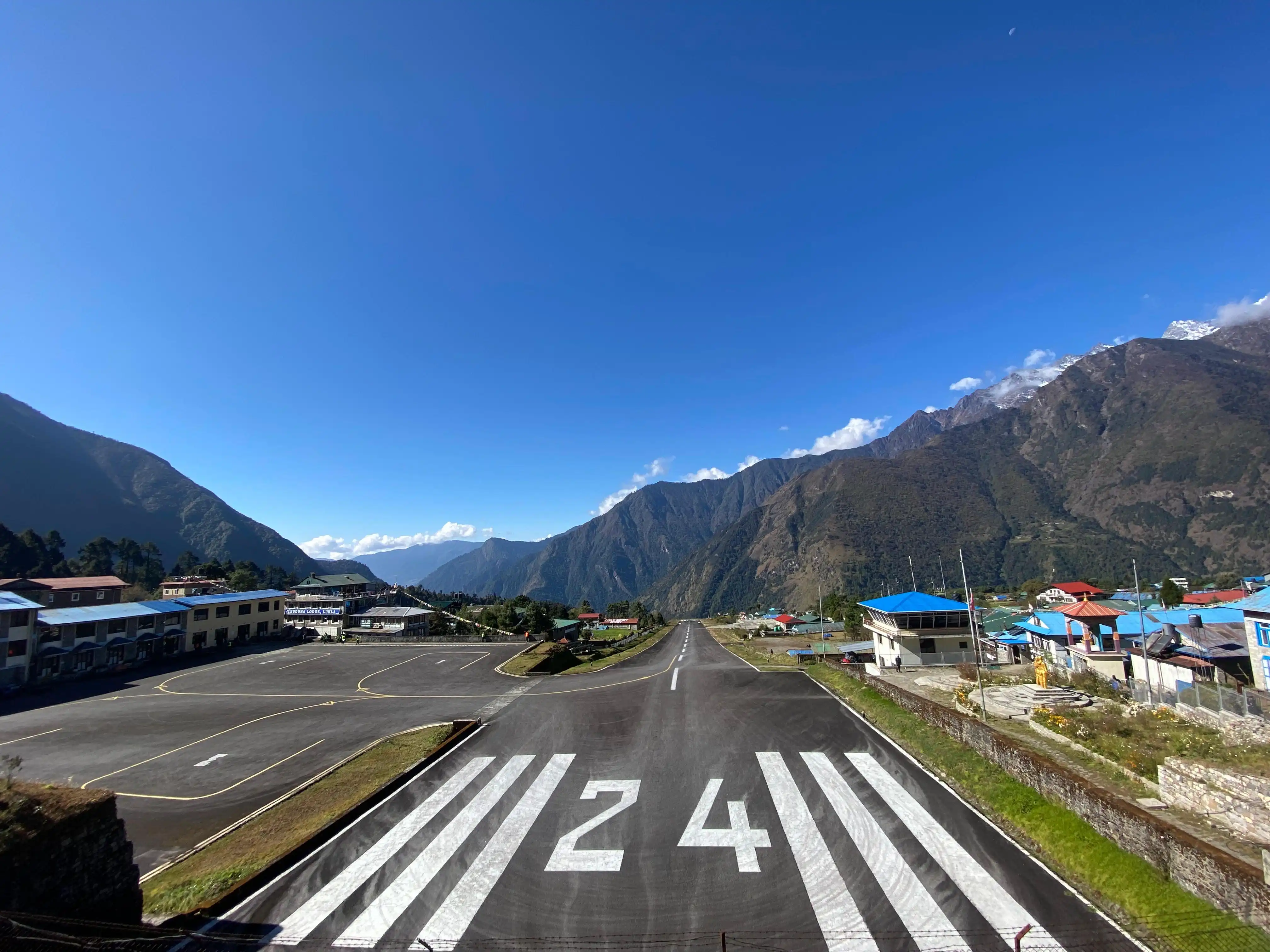
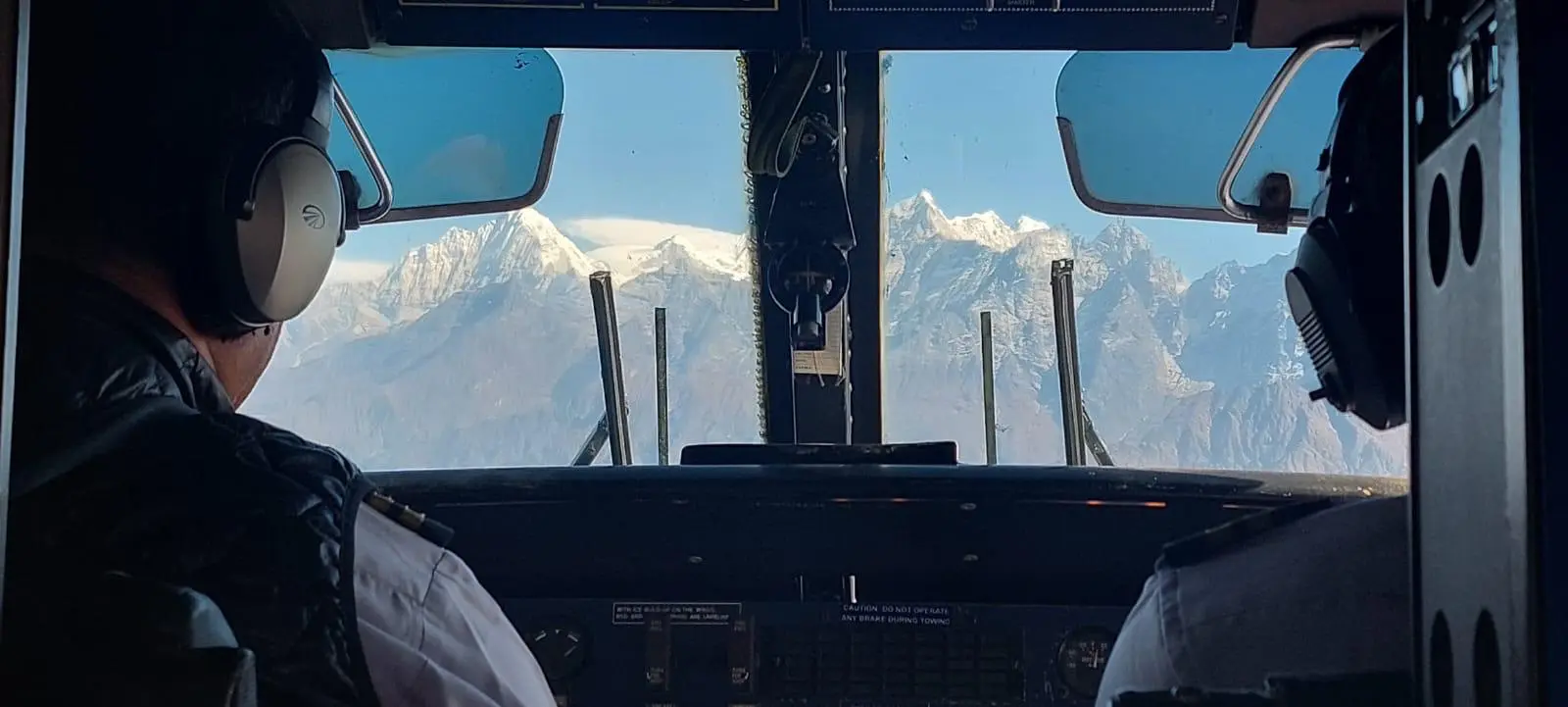
This morning, you’ll catch an early flight from Kathmandu to Lukla, a small mountain airstrip located at 2,860 meters. The flight offers breathtaking views of the Himalayas, including Mount Everest. Upon arrival in Lukla, you’ll begin your trek toward Phakding, a peaceful village situated at 2,610 meters. The trek is relatively easy and scenic, with views of the surrounding mountains and Sherpa villages. You'll have time to settle into your teahouse and enjoy a warm meal.
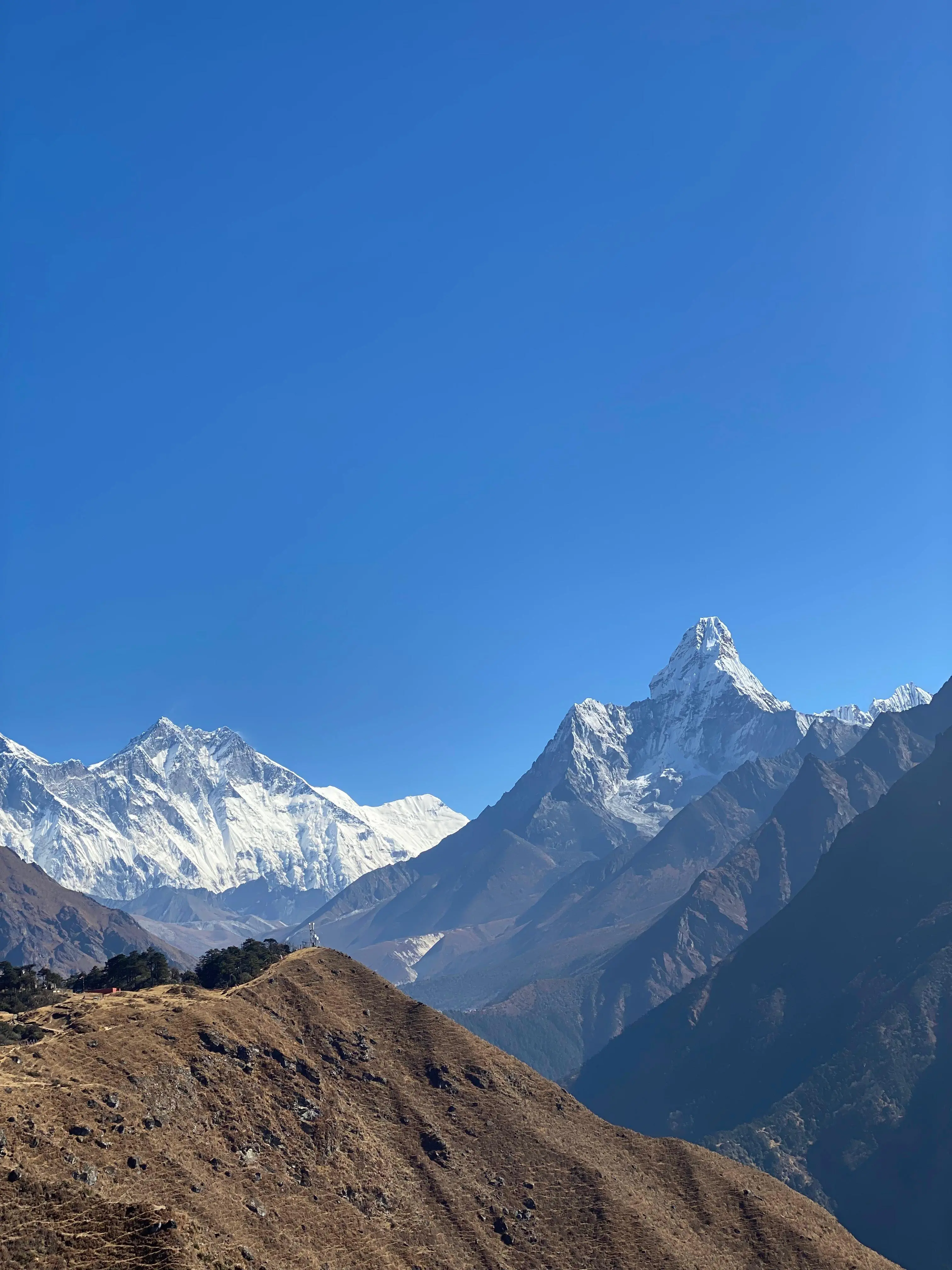
From Phakding, you’ll trek to Namche Bazaar, the gateway to the Everest region. The trail follows the Dudh Koshi River, crossing several suspension bridges, and ascends gradually into the heart of the Khumbu region. As you near Namche, you’ll start to see views of the majestic peaks of Everest, Lhotse, and Ama Dablam. Namche Bazaar, at 3,440 meters, is a bustling Sherpa town and a key stop for trekkers. Here, you’ll find various shops, cafes, and lodges.
Today is an acclimatization day in Namche Bazaar. It’s crucial to rest and allow your body to adjust to the increasing altitude. You can take a short hike to the Everest View Hotel, which offers panoramic views of Mount Everest and other Himalayan peaks. Alternatively, you can explore Namche Bazaar, visit the local museum, or shop for trekking supplies. The goal is to stay active but not overexert yourself.
After breakfast, you’ll continue your trek towards Tengboche, which is known for its beautiful monastery and stunning views of Everest, Lhotse, and Ama Dablam. The trail winds through lush forests of pine, fir, and rhododendron, offering plenty of scenic vistas. Upon reaching Tengboche, at an altitude of 3,860 meters, you’ll visit the famous Tengboche Monastery, a peaceful place to reflect and enjoy the surroundings.
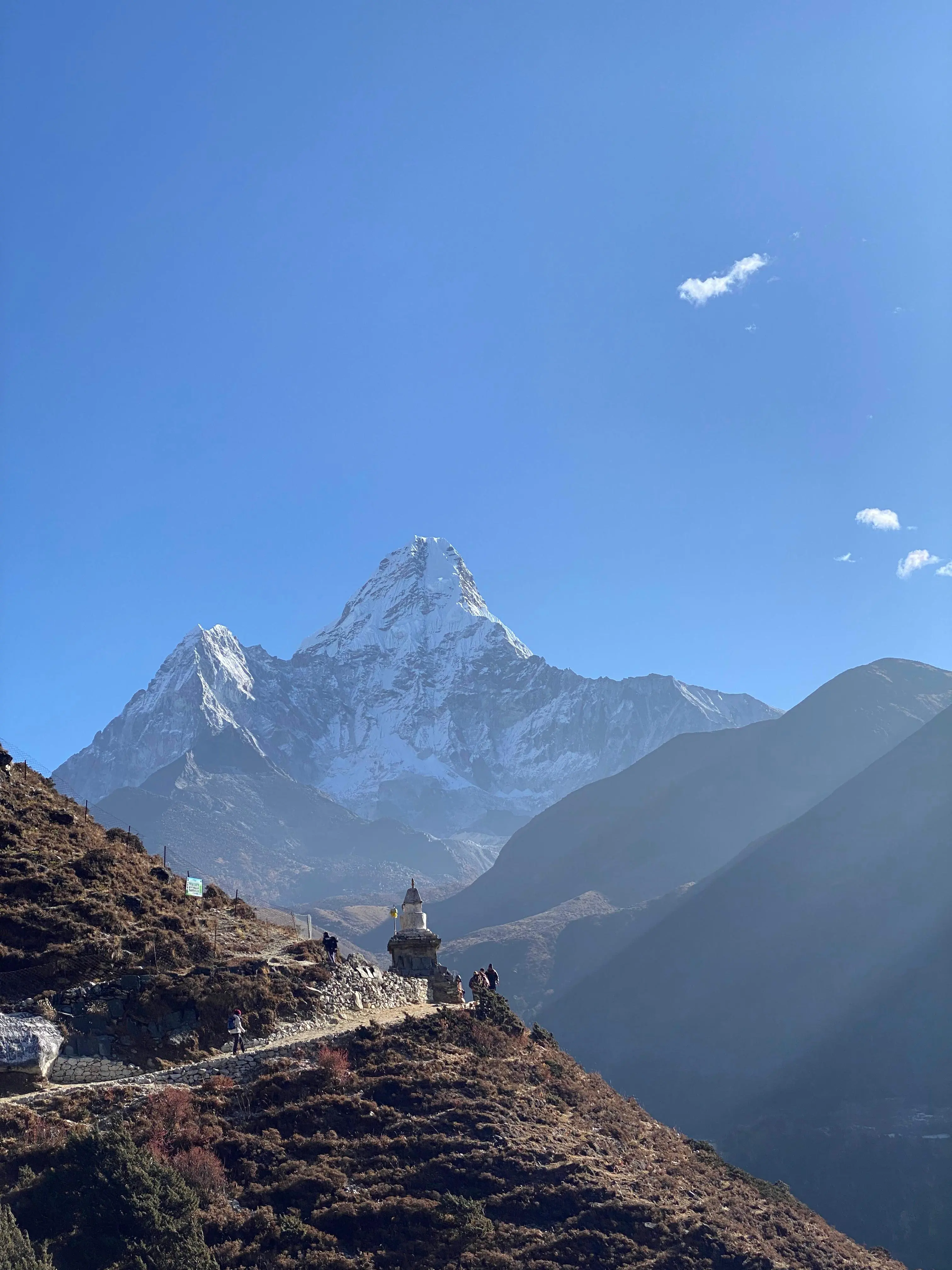
The trek from Tengboche to Dingboche is relatively moderate and offers beautiful views of the surrounding mountains. You’ll pass through the villages of Pangboche and Somare, enjoying glimpses of the towering peaks. Dingboche, situated at 4,410 meters, is a picturesque village with views of the nearby peaks, including Ama Dablam. The afternoon is free to explore the village or simply rest and acclimatize.
Today is another important acclimatization day. You’ll take a short hike to a higher altitude, perhaps up to the Nagarjun Hill, which offers stunning views of Everest, Makalu, and Lhotse. The rest of the day can be spent relaxing, hydrating, and preparing for the next stages of the trek. Dingboche’s stunning scenery and quieter atmosphere make it a perfect place to rest and allow your body to adjust.
From Dingboche, you’ll trek to Lobuche, a small settlement located at 4,940 meters. The trail passes through open terrain and rocky paths, with views of several majestic peaks. As you near Lobuche, you’ll pass memorials for climbers who have perished on Everest. The altitude becomes more noticeable as you reach Lobuche, and you’ll rest in the small teahouse to prepare for the challenging days ahead.
Today, the long-awaited trek to Everest Base Camp begins! From Lobuche, you’ll make your way to Gorak Shep (5,170 meters), where you’ll have a brief stop to rest before continuing on to Everest Base Camp (5,364 meters). The trail to Base Camp is rocky and can be challenging due to the high altitude, but the views of the Khumbu Glacier and surrounding mountains make the journey unforgettable. After reaching Everest Base Camp, you’ll take in the awe-inspiring sight of the world’s highest peak before returning to Gorak Shep for an overnight stay.
An early morning hike to Kala Patthar (5,545 meters) is essential for panoramic views of Mount Everest, Lhotse, and other peaks. The summit of Kala Patthar offers the best views of Everest and is a perfect spot for photographs. Afterward, you’ll descend back to Gorak Shep and continue your trek to Pheriche (4,371 meters), a village located in a more sheltered part of the valley. The trail is easier on the descent, and you’ll enjoy the peaceful surroundings of Pheriche.
From Pheriche, you’ll retrace your steps back to Namche Bazaar. The trek is downhill for the most part, and you’ll enjoy the changing landscapes as you descend into lower altitudes. Namche Bazaar will feel like a welcoming sight after several days at higher elevations. You can relax in the evening, visit the local shops, or enjoy a warm meal in the lodge.
The final leg of your trek takes you from Namche Bazaar to Lukla. The trail continues to descend through dense forests and charming Sherpa villages. You’ll pass through several suspension bridges and scenic valleys, gradually making your way back to Lukla. This marks the end of your trekking adventure. Once in Lukla, you can celebrate the completion of your journey with your fellow trekkers and guides.
Today, you’ll take an early flight back from Lukla to Kathmandu. The flight offers one last stunning view of the Himalayan peaks as you descend back into the Kathmandu Valley. Upon arrival, you’ll be transferred to your hotel, where you can rest and reflect on your incredible trek. The rest of the day is free to explore the city or do some last-minute shopping.
Today marks the end of your Everest Base Camp trek. After breakfast, depending on your flight time, you’ll be transferred to the airport for your onward journey. We hope you have unforgettable memories of your trek to the base of the world’s highest peak. Safe travels!

Everest Base Camp Trek: A Journey of a Lifetime I recently completed the Everest Base Camp Trek, and it was truly the adventure of a lifetime. The trail offered breathtaking views of towering peaks, including the majestic Everest, and the sense of accomplishment at each milestone was unmatched. The accommodations were comfortable, and the local hospitality made the experience even more special. Our guides were incredibly knowledgeable and always prioritized safety, ensuring we were well-prepared for the high-altitude challenges. One of the highlights was the climb to Kala Patthar, where the panoramic sunrise view of Everest left me speechless. Every step on this trek brought me closer to nature and my own resilience. If you’re considering this trek, I wholeheartedly recommend it. It’s more than just a journey; it’s a transformative experience that stays with you forever. Thank you to the Himalayan Escape Treks and Expeditions team for making it so seamless and memorable!

The Everest Base Camp Trek with Himalayan Escape Adventure was a breathtaking experience. From the vibrant Sherpa culture to the awe-inspiring landscapes, every day brought new wonders. The guides were exceptional, ensuring our safety and comfort while pushing us to new heights. Reaching Everest Base Camp was a moment of pure achievement – a must for any serious trekker!

The Everest Base Camp Trek (EBC Trek) is one of the most iconic trekking experiences in Nepal. It leads adventurers to the base camp of Mount Everest, the highest peak on Earth. The trek typically takes 12 to 15 days and covers a distance of approximately 130 km (80 miles) round-trip. Along the Everest Base Camp trekking route in Nepal, trekkers are rewarded with breathtaking views of the Himalayas, including Everest, Lhotse, and Makalu. The journey also offers an opportunity to experience the Sherpa culture and the serene beauty of the Khumbu region.
The best time for Everest Base Camp Trek (EBC Trek) is during the spring (March to May) and autumn (September to November) seasons. These months offer clear skies, stable weather conditions, and the best views of Mount Everest and surrounding peaks. During spring, the weather is warmer and the trekking trails are less crowded, while autumn brings crisp, fresh air and clear panoramic views. Avoid trekking during the winter or monsoon months due to the extreme cold and possible heavy rainfall in the region.
Trekking to Everest Base Camp requires two essential permits: the Everest Base Camp Trek Permit (Sagarmatha National Park Permit) and the Khumbu Pasang Lhamu Rural Municipality Permit. These permits can be obtained in Kathmandu or at the entrance of Sagarmatha National Park. The Everest Base Camp trek permit cost is generally affordable, though it may vary slightly. It's advisable to hire an Everest base camp trek expert to ensure all permits and necessary documentation are arranged before your journey.
Food and accommodation during the Everest Base Camp Trek (EBC Trek) are provided by local teahouses along the trekking route. Most teahouses offer simple, nutritious meals such as dal bhat (lentils and rice), noodles, and pasta. As you ascend, the menu may become more limited due to altitude restrictions and resource availability. For accommodation, trekkers stay in basic guesthouses with shared facilities. These teahouses provide essential comforts, but trekkers should be prepared for basic amenities and occasional chilly temperatures, especially at higher altitudes.
Although remote, communication on the Everest Base Camp trekking route in Nepal has improved in recent years. Most teahouses along the trek offer Wi-Fi and mobile phone networks, but connection quality can vary. At higher altitudes, signals are often weak, and Wi-Fi services may be expensive. However, the Everest trek explore and Everest heli tour companies ensure you can stay connected for emergency situations. It’s advisable to bring a satellite phone or rent one if you need constant connectivity.
Choosing an experienced and reliable trekking company is essential for a safe and unforgettable Everest trek in Nepal. We offer expert-guided treks, personalized itineraries, and in-depth knowledge of the Everest Base Camp Trekking route in Nepal. Our team of Everest base camp trek experts ensures smooth travel, from organizing Everest Base Camp trekking permits to offering well-curated, affordable packages, including guided tours and transportation. Whether you're embarking on the Everest panorama trek or opting for the exciting Everest heli tour, our expert guidance ensures your safety and enjoyment.
The cost of the Everest Base Camp Trekking depends on various factors, such as the duration, group size, and included services. A standard Everest Base Camp trek 15 days package generally costs between $1,000 and $2,000, which covers permits, food, accommodation, and a guide. The Everest Base Camp Trek itinerary usually spans over 12 to 15 days, with rest days included for acclimatization. If you're short on time, the EBC view trek or Everest view trek can be completed in 7 to 10 days, offering an excellent alternative with amazing views of Everest and surrounding peaks.